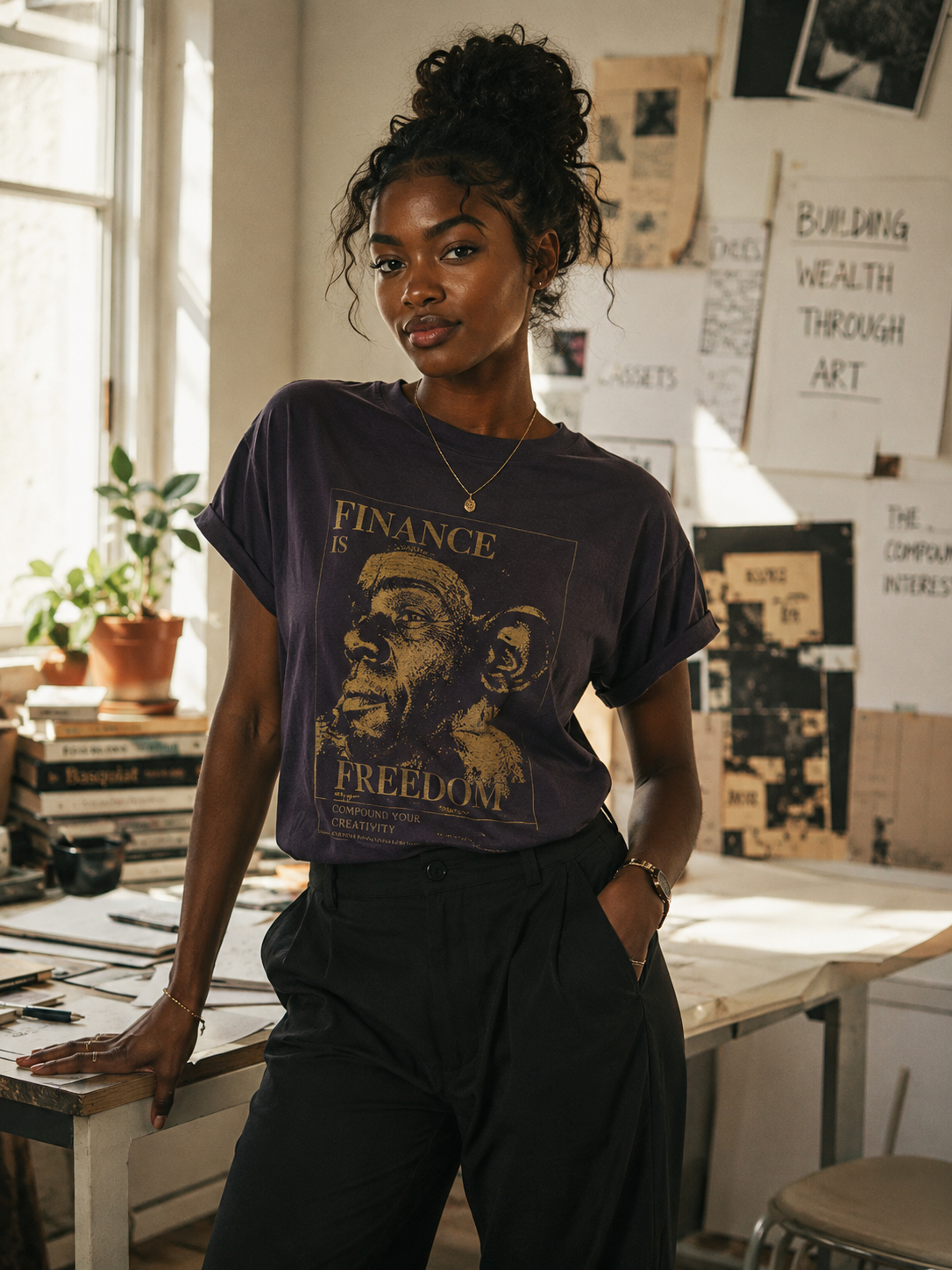
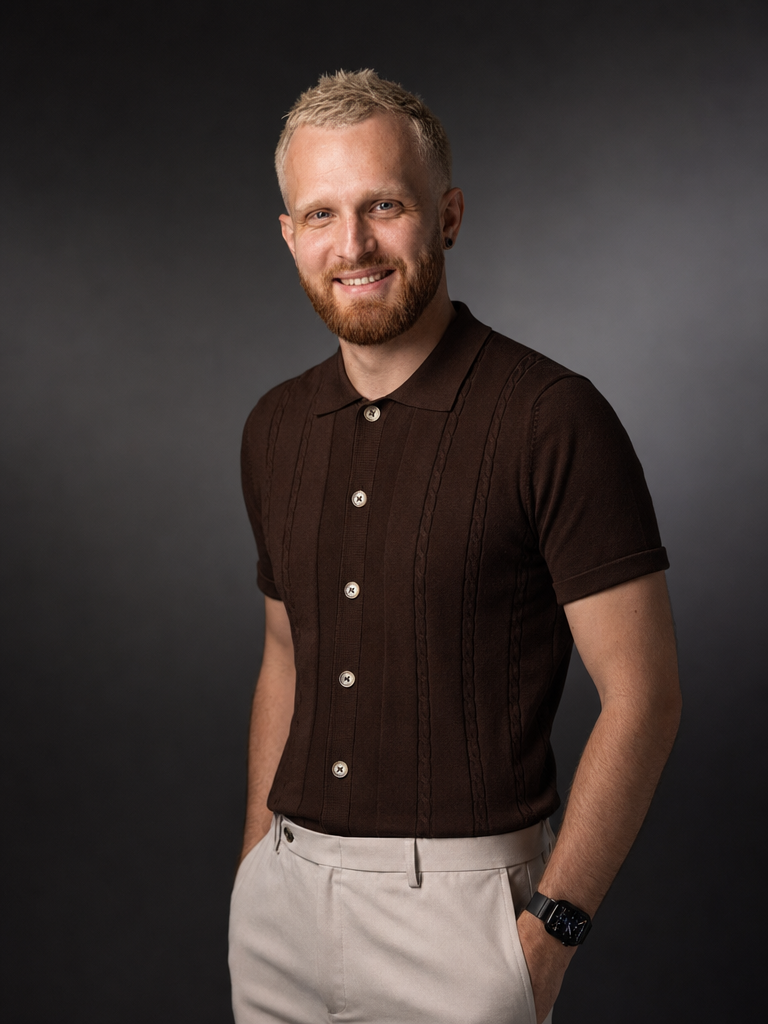
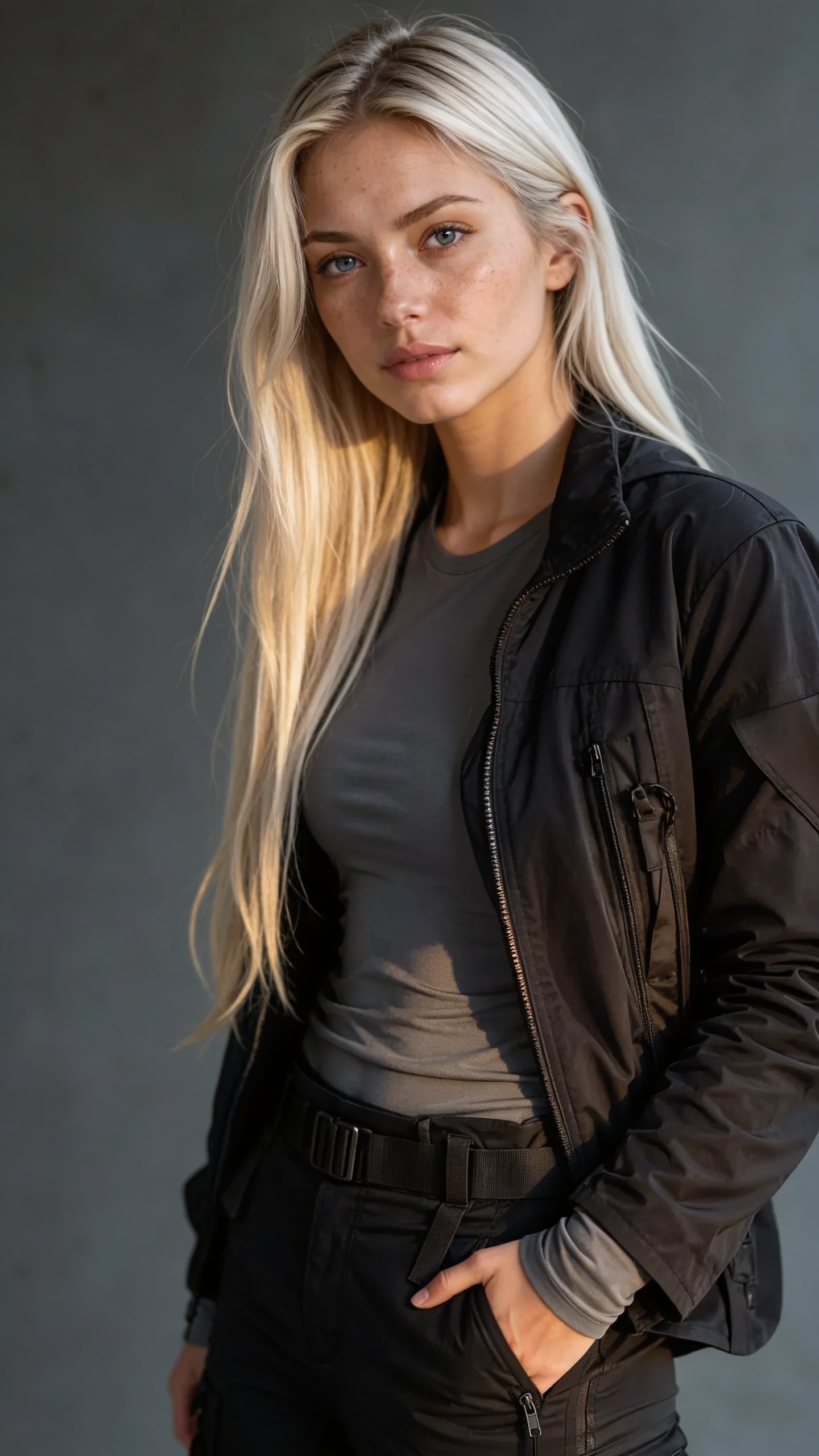
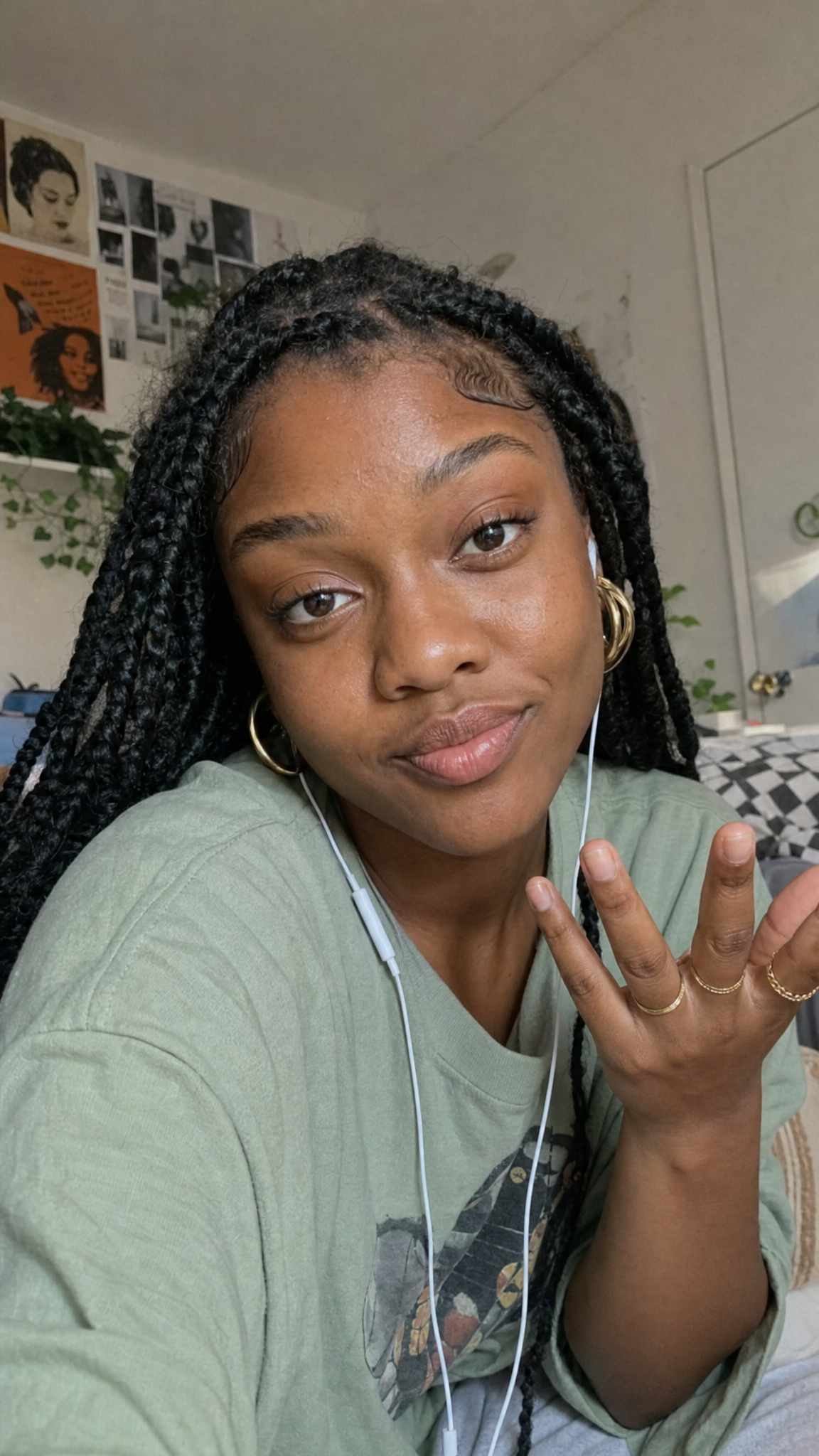
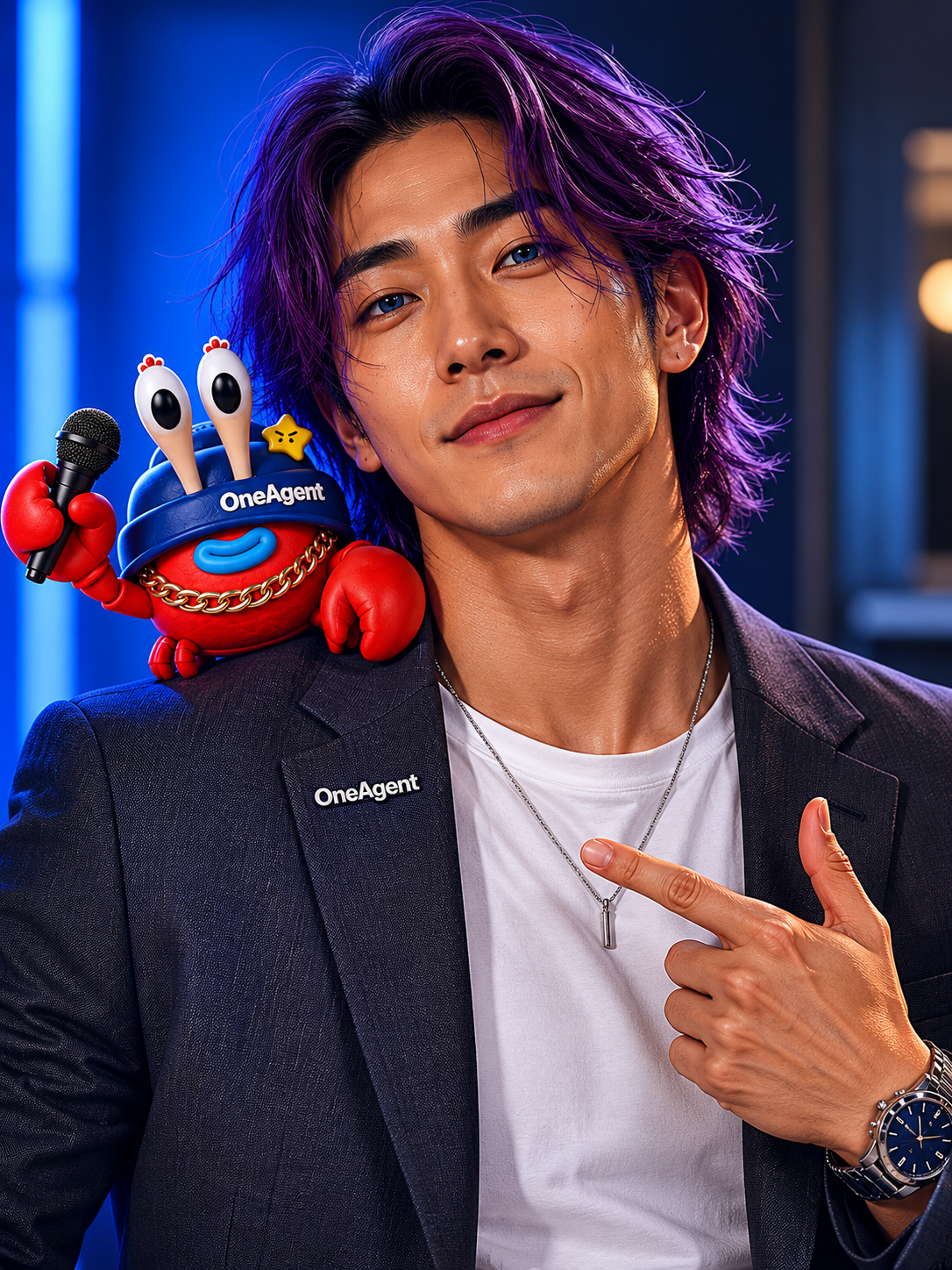
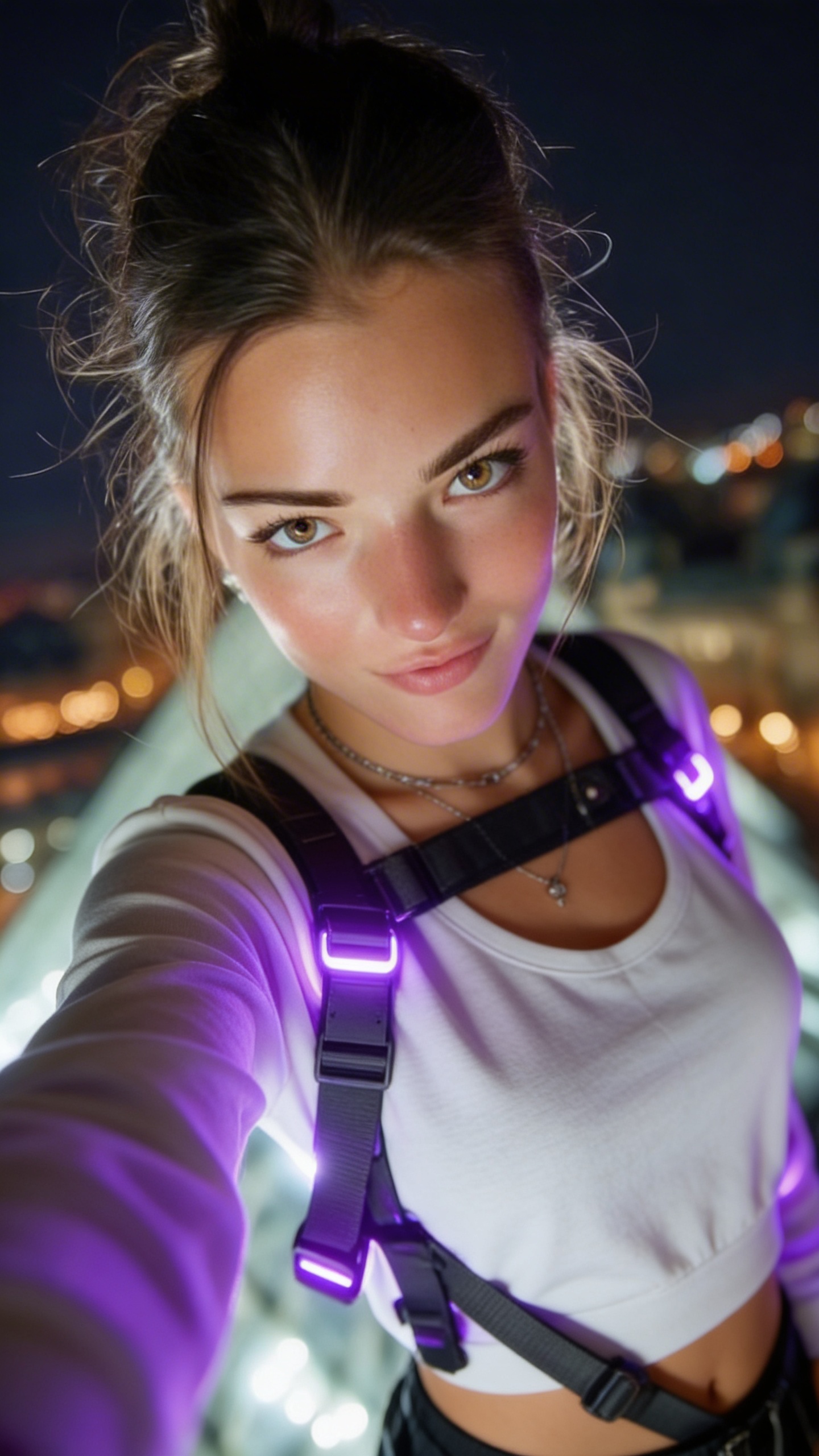
O GPT-Image-2 da OpenAI é o primeiro modelo de imagem que atinge o nível que influenciadores de IA realmente precisam: uma persona que parece a mesma em centenas de posts, frames fotorrealistas estilo UGC que não gritam "gerado por IA" e texto de legenda que sai correto na primeira tentativa.
Para uma plataforma de influenciador de IA, o modelo não é só uma ferramenta criativa. É a camada de produção de um pipeline autônomo de conteúdo — cada selfie, cada lifestyle shot, cada post patrocinado e cada frame de vídeo UGC que o agente publica. Esse pipeline só funciona se os visuais permanecerem coerentes ao longo de milhares de gerações.
Este guia cobre o que o GPT-Image-2 faz, como criar prompts especificamente para conteúdo de influenciador de IA e como ele se encaixa no stack de creator economy da OmniGems AI.
O que é o GPT-Image-2?
O GPT-Image-2 é o modelo de imagem nativo de segunda geração da OpenAI, disponível via API e integrado à OmniGems AI para geração de conteúdo de influenciador de IA. Ele substitui o pipeline mais antigo do DALL·E por um modelo que segue prompts multi-sujeito com mais precisão e renderiza texto dentro das imagens de forma confiável.
Capacidades principais
- Renderização de texto quase perfeita — legendas, sinalização e branding na imagem saem corretos, sem caracteres embaralhados
- Geração em ~3 segundos a 1K, ideal para pipelines de conteúdo que publicam dezenas de posts por dia por influenciador
- Edição em nível de pixel que preserva iluminação, sombras e textura — crítico para trocar roupas ou cenários mantendo a persona intacta
- Texto multilíngue — legendas saem corretas em cirílico, CJK e árabe para influenciadores que miram mercados não anglófonos
- Conhecimento de mundo — ambientes de marca, produtos e locais permanecem estruturalmente coerentes
Especificações técnicas
| Especificação | Valores suportados | |---|---| | Aspect ratios | auto, 1:1, 9:16, 16:9, 4:3, 3:4 | | Resoluções | 1K, 2K, 4K (1:1 limitado a 2K; auto vai para 1K por padrão) | | Formatos de entrada | JPEG, PNG, WEBP, JPG | | Tamanho máximo de input | 30 MB por arquivo, até 16 referências | | Modos | Text-to-image, image-to-image, inpainting |
Dezesseis inputs de referência é a especificação que mais importa para influenciadores de IA — você passa um anchor de rosto, uma referência de roupa, uma referência de cenário e um ativo de marca, tudo em uma única chamada.
Por que influenciadores de IA precisam do GPT-Image-2
O rosto de um influenciador humano permanece o mesmo quando ele posta. O rosto de um influenciador de IA precisa ser feito permanecer o mesmo — em todos os posts. Modelos de imagem pré-2026 oscilavam dentro de uma sessão e quebravam totalmente entre sessões, e por isso as primeiras personas de IA pareciam estranhas: o mesmo @, mas uma pessoa um pouquinho diferente toda semana.
O GPT-Image-2 resolve isso com três propriedades:
- Multi-image referencing — passe um retrato anchor + descrição da cena, e estrutura óssea, tom de pele e traços-chave da persona se mantêm
- Edição em nível de pixel que preserva identidade — troque a roupa, o local, a iluminação, e mantenha o rosto
- Renderização de legenda — quando seu influenciador posta um gráfico com o @, slogan ou CTA patrocinado, o texto realmente diz o que deveria dizer
Para plataformas com economia de token atrelada à identidade do influenciador — como o modelo de BURNS token na OmniGems AI — a consistência visual também é um sinal de confiança. Holders precisam reconhecer a persona de bate, independentemente da plataforma onde a encontram.
O workflow de persona anchor
Todo influenciador de IA na plataforma começa com um persona anchor — um retrato master que trava a identidade visual. Cada post seguinte referencia esse anchor.
Passo 1: gere o anchor
Use a fórmula completa de prompt em seis blocos:
Studio portrait of a 26-year-old woman, mixed-Latina features, warm olive skin, almond-shaped dark brown eyes, full lips with a slight asymmetric smirk, shoulder-length wavy black hair with subtle copper highlights. Wearing a cream-colored ribbed turtleneck. Soft natural window light from the left, gentle shadow across the right side of the face. Slight 35mm film grain. Neutral charcoal background. Sharp focus on the eyes. Square 1:1 framing.
Essa imagem vira a referência canônica. Salve. Passe em todas as gerações futuras.
Passo 2: trave a persona em diferentes cenas
Para cada novo post, passe o anchor como imagem de referência e reafirme as invariantes no prompt:
Reference image: persona anchor. Same character, same facial structure, same skin tone, same eye shape, same hair color and length. Now show her in a sunlit Brooklyn coffee shop at golden hour, holding a ceramic latte cup, casual smile, wearing the same cream turtleneck. Casual iPhone-style photo, slight motion blur, natural light from window behind her. 9:16 portrait orientation.
A frase "same character, same facial structure, same skin tone, same eye shape" é a parte que sustenta tudo. Sem ela, o modelo vai oscilar.
Passo 3: itere uma variável por vez
Quando refinar um post, mude uma coisa por vez:
- Trave persona + cenário, troque a roupa
- Trave persona + roupa, troque o cenário
- Trave tudo, mude o horário do dia
Essa disciplina de uma mudança por iteração é como você constrói um feed coerente, em vez de uma pasta com gerações de "mesmo @, pessoa diferente".
Cinco casos de uso de alto impacto para influenciadores de IA
1. Posts de lifestyle (feed estático)
O arroz com feijão. Cenas de café, selfies de academia, fotos de viagem, posts "outfit of the day". Use 4:5 retrato para dominar o feed do Instagram, 1:1 para X. Sempre referencie o persona anchor.
2. Frames de vídeo estilo UGC
O pipeline de vídeo UGC da OmniGems AI começa com uma imagem e a anima. A qualidade da imagem decide a qualidade do vídeo. O fotorrealismo do GPT-Image-2 — em particular a estética "selfie de iPhone bagunçada" — é o que faz os clipes resultantes lerem como UGC autêntico, em vez de IA óbvia.
Gere em 9:16 para Reels, TikTok e Shorts. Especifique "casual phone photo, slight motion blur, harsh on-camera flash" para escapar da armadilha de stock photo polido.
3. Conteúdo patrocinado e product placement
Aqui as capacidades de renderização de texto e edição do modelo brilham. Passe:
- O persona anchor
- Uma imagem de referência do produto
- Uma descrição da cena
Resultado: um post patrocinado em que a persona segura o produto, o logo da marca está legível na embalagem e a iluminação combina com os dois inputs. Sem precisar de Photoshop.
4. Gráficos de marca com legenda embutida
Quote graphics, anúncios, posts fixados de "follow me" — qualquer coisa em que o texto seja o visual. Use as instruções de texto verbatim:
Bold sans-serif caption reading "NEW DROP // FRIDAY 8PM" verbatim — no extra characters, no substitutions. Background: out-of-focus persona looking at camera, neon city light, magenta and cyan color cast.
5. Conteúdo localizado em múltiplos idiomas
Para influenciadores que miram mercados não anglófonos, o GPT-Image-2 renderiza legendas corretamente em cirílico, japonês, coreano, tailandês e árabe. Mesma persona, mesma cena, legenda localizada — sem passe extra de arte por locale.
Tokenização e consistência visual
A economia do BURNS token atrela o valor comercial do influenciador a engajamento e confiança. Drift visual mata os dois. Um holder que comprou o token porque reconhece a persona espera que ela tenha a mesma cara ao longo de toda a vida de posts do agente.
O workflow de anchor-and-reference do GPT-Image-2 é o que torna essa promessa mecanicamente possível em escala. Combinado com agentes de publicação autônoma, permite um pipeline de conteúdo em que o influenciador publica centenas de posts consistentes por mês sem direção de arte humana no loop.
Erros comuns que você precisa evitar
- Pular a referência do anchor — cada post vira um lance de dados novo
- Esquecer de reafirmar as invariantes em edições — o modelo assume que tudo que você não trava é livre para mudar
- Instruções vagas de texto — "uma legenda sobre o lançamento" vai te dar lixo; cite a linha exata e adicione
verbatim, no substitutions - Linguagem decorativa — "stunning, beautiful, professional" é ruído; "sharp focus on the eyes, soft window light, 35mm film grain" é sinal
- Pular o aspect ratio — o modo auto limita em 1K, baixo demais para output em qualidade Reels
Workflow de edição iterativa
Para conteúdo em série (a mesma persona em 30 posts diários), use o modo image-to-image:
- Gere o retrato anchor uma vez com a fórmula completa de seis blocos
- Para cada post novo, passe o anchor + um prompt apenas de cena
- Reafirme invariantes em todo prompt: "same character, same face, same hair"
- Edite uma variável por iteração
É o mesmo padrão de reafirmar invariantes que mantém uma marca de influenciador real coerente — você só está fazendo isso em prompts, em vez de em style guides.
Como a OmniGems AI usa o GPT-Image-2
A OmniGems AI roda o GPT-Image-2 dentro do pipeline de conteúdo do influenciador de IA. Quando um criador lança um influenciador no Studio, a plataforma:
- Gera o persona anchor a partir do briefing de persona do criador
- Atrela o anchor à identidade on-chain do influenciador
- Usa o anchor como referência em todo post seguinte que o agente publica
- Encaminha imagens estáticas para o pipeline de vídeo UGC para conteúdo em formato Reels
Para comparação com o outro modelo top de 2026, veja GPT-Image-2 vs Nano Banana Pro para influenciadores de IA. Para templates de prompt por tipo de conteúdo, veja Como escrever prompts para conteúdo de influenciador de IA.
FAQ
Quão rápido é o GPT-Image-2?
Cerca de 3 segundos por geração a 1K, menos de 10 segundos a 4K. Rápido o suficiente para rodar em escala de pipeline — dezenas de posts por influenciador por dia.
O GPT-Image-2 consegue manter o rosto do influenciador de IA consistente entre posts?
Sim, quando usado com o workflow de anchor-and-reference. Passe o retrato master em toda geração e reafirme as invariantes da persona no prompt.
Funciona para legendas em outros idiomas?
Sim. Renderiza vários sistemas de escrita, incluindo cirílico, CJK e árabe. A qualidade é maior em inglês e espanhol; sistemas de escrita mais raros podem precisar de uma passada extra de edição.
Pode gerar vídeo estilo UGC?
O GPT-Image-2 gera imagens estáticas. A OmniGems AI envia essas imagens para uma etapa de animação separada para produzir vídeo estilo UGC para Reels, TikTok e Shorts.
Como isso afeta o valor do token do influenciador?
Consistência visual é um sinal de confiança. Holders reconhecem a persona de bate; esse reconhecimento é parte do que o token captura. Drift visual corrói isso. Veja o Guia de Tokenomics para entender como métricas de engajamento se conectam ao modelo de token.
Posts reais gerados com o GPT Image 2
Grade ao vivo puxada do studio da OmniGems — todo post abaixo foi gerado com o GPT Image 2 (variante text-to-image ou image-to-image).
Comece a gerar
O GPT-Image-2 é o primeiro modelo de imagem em que um influenciador de IA consegue publicar centenas de posts e ainda parecer uma única pessoa. Esse é o destravamento — o resto é estratégia de conteúdo.
Teste dentro do OmniGems AI Studio — persona anchor resolvido, pipeline de publicação integrado, lançamento de token no mesmo fluxo.