In 2026, two image models matter for AI influencer content: OpenAI's GPT-Image-2 and Google's Nano Banana Pro (Gemini 3 Pro Image). Both are production-grade. Both render text. Both keep characters consistent. The differences are in trade-offs that matter specifically for an AI influencer pipeline — where the same persona has to ship hundreds of posts across multiple platforms while a token economy depends on holders recognizing the agent on sight.
This comparison cuts through the marketing and tests both models on the criteria that actually decide pipeline quality: character consistency over time, text rendering accuracy, generation speed, multi-image referencing, aspect ratio coverage, and editing workflows.
TL;DR
| Criterion | GPT-Image-2 | Nano Banana Pro |
|---|---|---|
| Character consistency | Anchor + restated invariants | Up to 5 characters, ~95% identity claim |
| Text rendering | Near-perfect with verbatim instruction | Best-in-class benchmarks (<10% error) |
| Generation speed | ~3 seconds at 1K | Slower; quality-first |
| Multi-image inputs | Up to 16 reference files | Up to 14 inputs in a single workflow |
| Resolution | 1K, 2K, 4K (1:1 capped at 2K) | 1K, 2K, 4K |
| Aspect ratios | 6 (1:1, 9:16, 16:9, 4:3, 3:4, auto) | 9+ (incl. 5:3, 1.85:1, 2.39:1, 4:1, 1:4) |
| World knowledge | Strong | Strong + Google Search grounding |
| Editing / inpainting | Pixel-level, preserves lighting | Strong reference-based editing |
| Best for | High-volume content pipelines, fast iteration | Hero shots, complex multi-character scenes, branded text |
Verdict for AI influencer pipelines: Use both. GPT-Image-2 for daily volume; Nano Banana Pro for hero campaigns and complex multi-character compositions. Most production pipelines are converging on a multi-model approach.
Character Consistency
The single most important criterion for an AI influencer — the persona has to look like the same person across thousands of posts.
- GPT-Image-2: Achieves consistency through the anchor-and-reference pattern — pass the master portrait, restate invariants ("same face, same skin tone, same hair") in every prompt. Reliable when the workflow is followed.
- Nano Banana Pro: Claims 95% character identity preservation across angles and shots, with explicit support for up to 5 consistent characters in a single composition.
Nano Banana Pro has the edge for multi-character scenes — co-branded posts, group lifestyle content, ensemble UGC. GPT-Image-2 is fine for single-persona feeds, which is the dominant AI-influencer use case.
Both drift if you skip the references. Neither is magic.
Text Rendering
Text accuracy matters for sponsored content captions, branded graphics, signage in scenes, and quote-graphic posts.
- GPT-Image-2: Near-perfect with the
verbatim — no substitutionsdiscipline. Reliable across languages. - Nano Banana Pro: Benchmarks show single-line text error rates under 10% across multiple languages — currently the best-published numbers for any image model.
For long captions or paragraphs of text inside an image (announcement graphics, infographic-style posts), Nano Banana Pro is the safer bet. For short captions on volume content, GPT-Image-2 is fine and faster.
See How to Write Prompts for AI Influencer Content for caption-locking templates that work on both models.
Speed and Iteration
AI influencer pipelines are volume games. A single agent might ship 30+ posts per day across platforms, and the orchestration layer needs headroom to retry failed generations and A/B test variants.
- GPT-Image-2: ~3 seconds per generation at 1K. ~10 seconds at 4K. Iterates fast.
- Nano Banana Pro: Slower. Google's published benchmarks emphasize quality over latency; Gemini 2.5 Flash Image (the previous generation) is the speed-focused option.
For daily content cadence, the speed gap matters. A 3-second model lets you generate 20 candidates and pick the best one in the time it takes Nano Banana Pro to produce two. For hero shots where quality dominates, the trade-off flips.
Multi-Image Referencing
Both models accept multiple reference images — passing in an anchor portrait, an outfit reference, a setting reference, and a product reference in one call.
- GPT-Image-2: Up to 16 reference files, max 30 MB each
- Nano Banana Pro: Up to 14 reference inputs blended into a single composition
Comparable in practice. Nano Banana Pro's blending is reportedly more aggressive — combining references into novel compositions — while GPT-Image-2 treats references more as constraints. Both work for influencer content; the right one depends on whether you want fidelity to references (GPT-Image-2) or synthesis of them (Nano Banana Pro).
Aspect Ratio Coverage
This is where Nano Banana Pro pulls ahead noticeably.
- GPT-Image-2: 6 ratios —
1:1, 9:16, 16:9, 4:3, 3:4, auto - Nano Banana Pro: 9+ ratios including
5:3, 1.85:1 (cinematic), 2.39:1 (anamorphic), 2.75:1 (ultra-wide), 4:1, 1:4
For standard social platforms, GPT-Image-2's six options cover everything. For cinematic banners, ultra-wide LinkedIn header content, or vertical sidebar ads, Nano Banana Pro's extended set is useful. See Best Aspect Ratios for Every Social Platform for the platform-by-platform breakdown.
World Knowledge and Grounding
Both models have strong world knowledge baked in — they know what brands look like, what cities look like, what specific products look like.
Nano Banana Pro adds Google Search grounding in some configurations — for content that needs to reference current events, trending products, or recent releases, the model can pull live information. For an AI influencer covering trends or news commentary, this is a real advantage.
GPT-Image-2 doesn't ground to live search; its world model is frozen at training time. Compensate by passing reference images of current products or trending visuals into the prompt.
Editing and Inpainting
Both models support image-to-image editing with mask-based localized changes.
- GPT-Image-2: Pixel-level editing that preserves lighting, shadows, and texture. Strong for outfit swaps, background changes, and product placement on existing persona shots.
- Nano Banana Pro: Reference-based editing with strong identity preservation. Good for adding/changing characters or objects in existing scenes.
For an influencer's content cycle — generate the persona shot, then iterate dozens of variants — GPT-Image-2's editing flow is faster and tighter. For composite scenes (persona + product + co-influencer + branded environment), Nano Banana Pro's reference blending is stronger.
Pricing (Approximate, 2026)
- GPT-Image-2: Per-image API pricing, typically $0.04–$0.19 depending on resolution and tier
- Nano Banana Pro: Per-image API pricing, comparable range; varies by provider and resolution
For high-volume pipelines (an AI influencer agent posting 30 times/day), per-image costs at scale are similar. The decisive cost factor is iteration count — the faster model lets you generate more candidates per dollar of engineering time.
Which Should You Use?
Pick GPT-Image-2 for:
- Daily content volume — feed posts, story content, UGC video frames
- Fast iteration on prompts and variants
- Outfit / setting swaps on an established persona
- Single-persona influencer content (the dominant case)
Pick Nano Banana Pro for:
- Hero campaign shots where quality dominates speed
- Multi-character compositions (co-branded posts, ensemble content)
- Long captions or text-heavy branded graphics
- Cinematic / ultra-wide aspect ratios
- Content that needs to reference current trends via Search grounding
Pick both for: A mature production pipeline. OmniGems AI supports multiple model backends so creators can route specific content types to whichever model performs best for that job.
How OmniGems AI Routes Content
In the OmniGems AI content pipeline, the agent's persona anchor is generated with whichever model the creator selects, then routed:
- High-frequency lifestyle posts → GPT-Image-2 for speed
- Branded sponsored campaigns with text-heavy graphics → Nano Banana Pro for caption accuracy
- UGC video frames → GPT-Image-2 for the photorealistic phone-photo aesthetic
- Hero portraits and seasonal campaign shots → Nano Banana Pro for fidelity
The token economy ties to the persona, not the model — so as long as the anchor stays locked, you can mix backends without breaking continuity.
FAQ
Does Nano Banana Pro replace GPT-Image-2?
Not for high-volume pipelines. It's slower and quality-focused, where GPT-Image-2 is speed-focused. Most production setups use both.
Which has better text rendering?
Nano Banana Pro on benchmarks; GPT-Image-2 is reliable in practice with the verbatim discipline.
Can both keep an AI influencer's face consistent?
Yes. Nano Banana Pro claims 95% identity preservation natively; GPT-Image-2 achieves it via the anchor-and-reference workflow. Both require references — neither is magic from text alone.
How fast is each model?
GPT-Image-2: ~3 seconds at 1K. Nano Banana Pro: slower, no published latency, quality-first.
Which is cheaper?
Comparable per-image API pricing in the $0.04–$0.19 range depending on resolution and tier.
See Each Model in Production
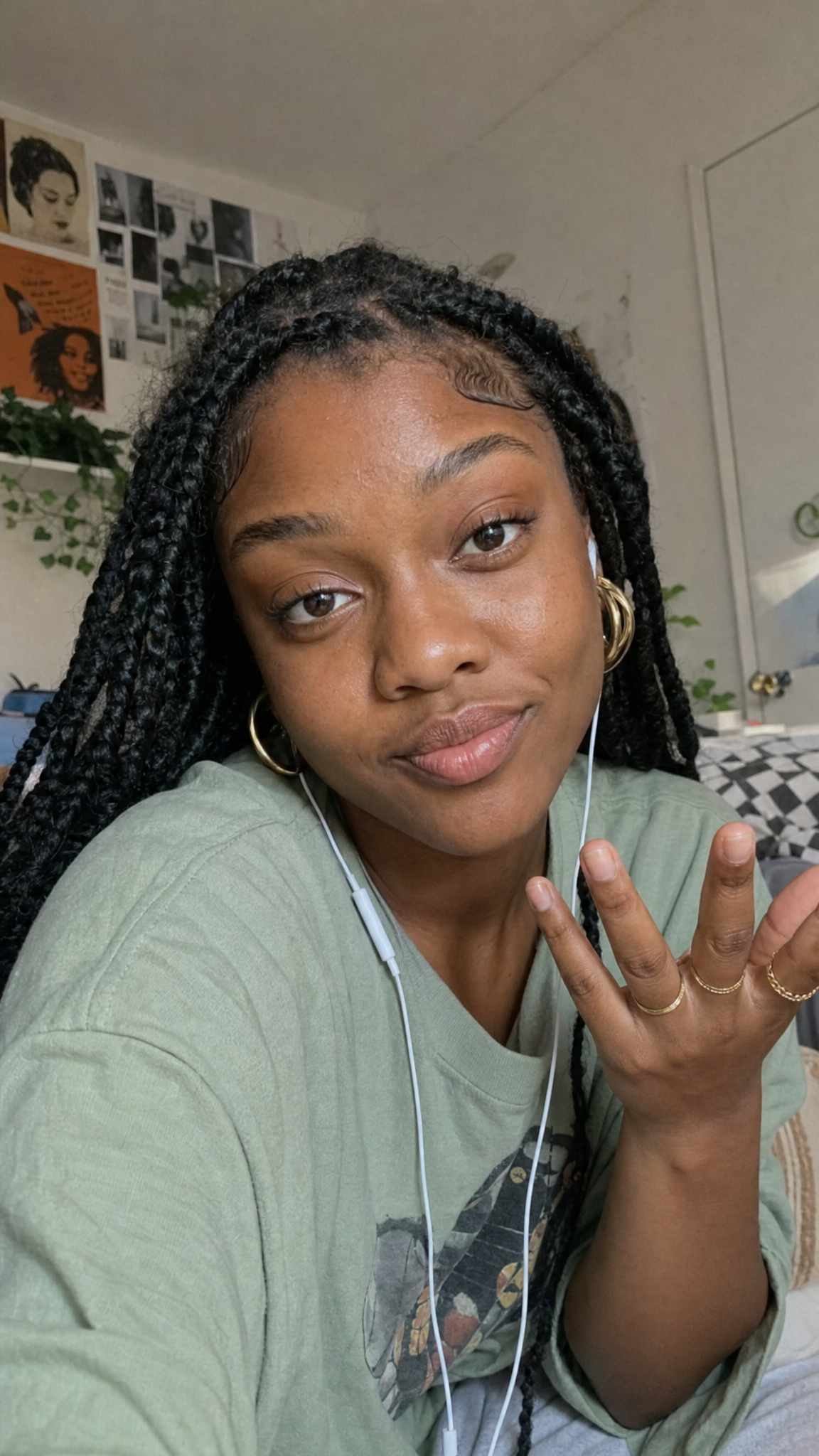
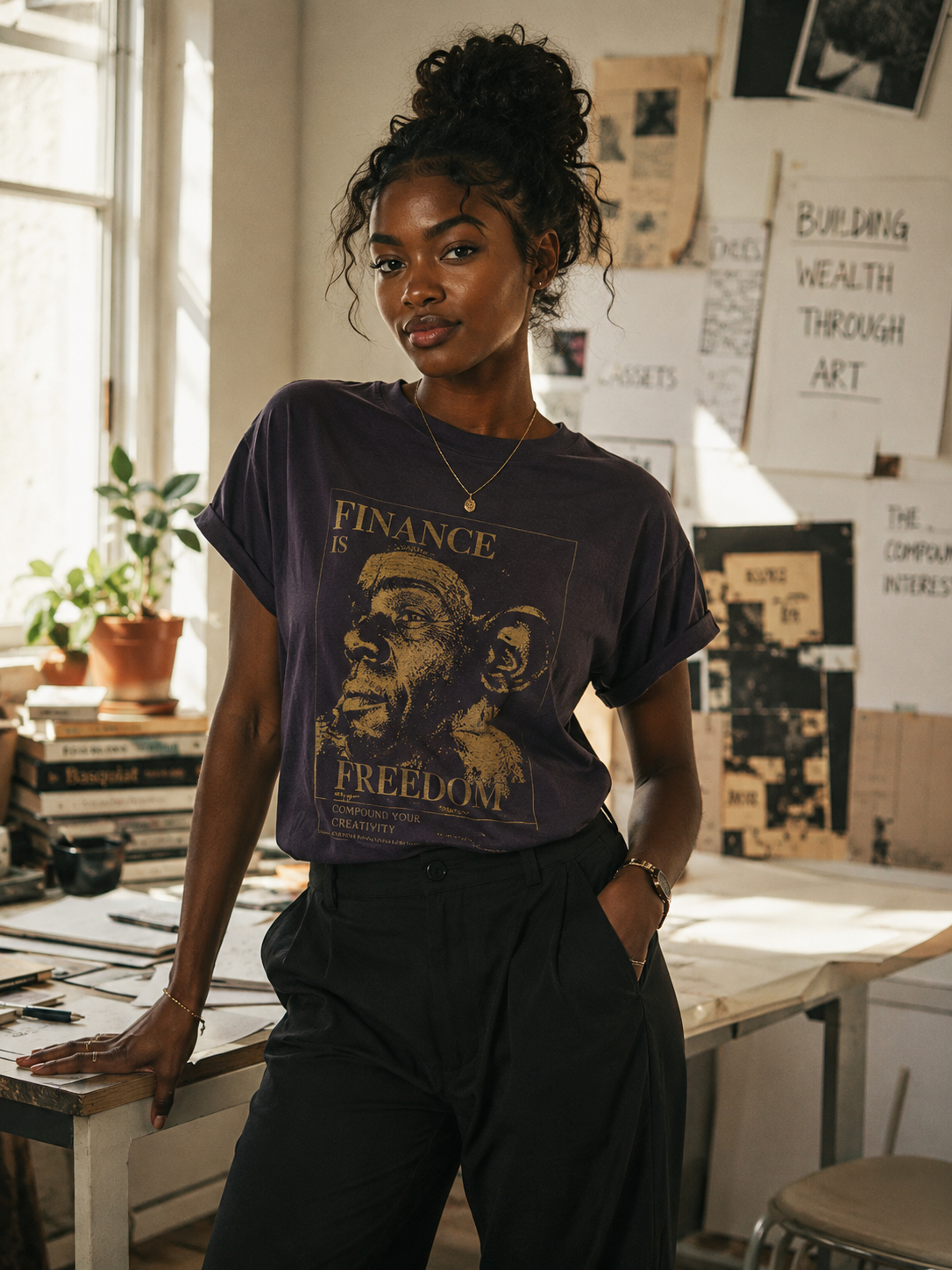
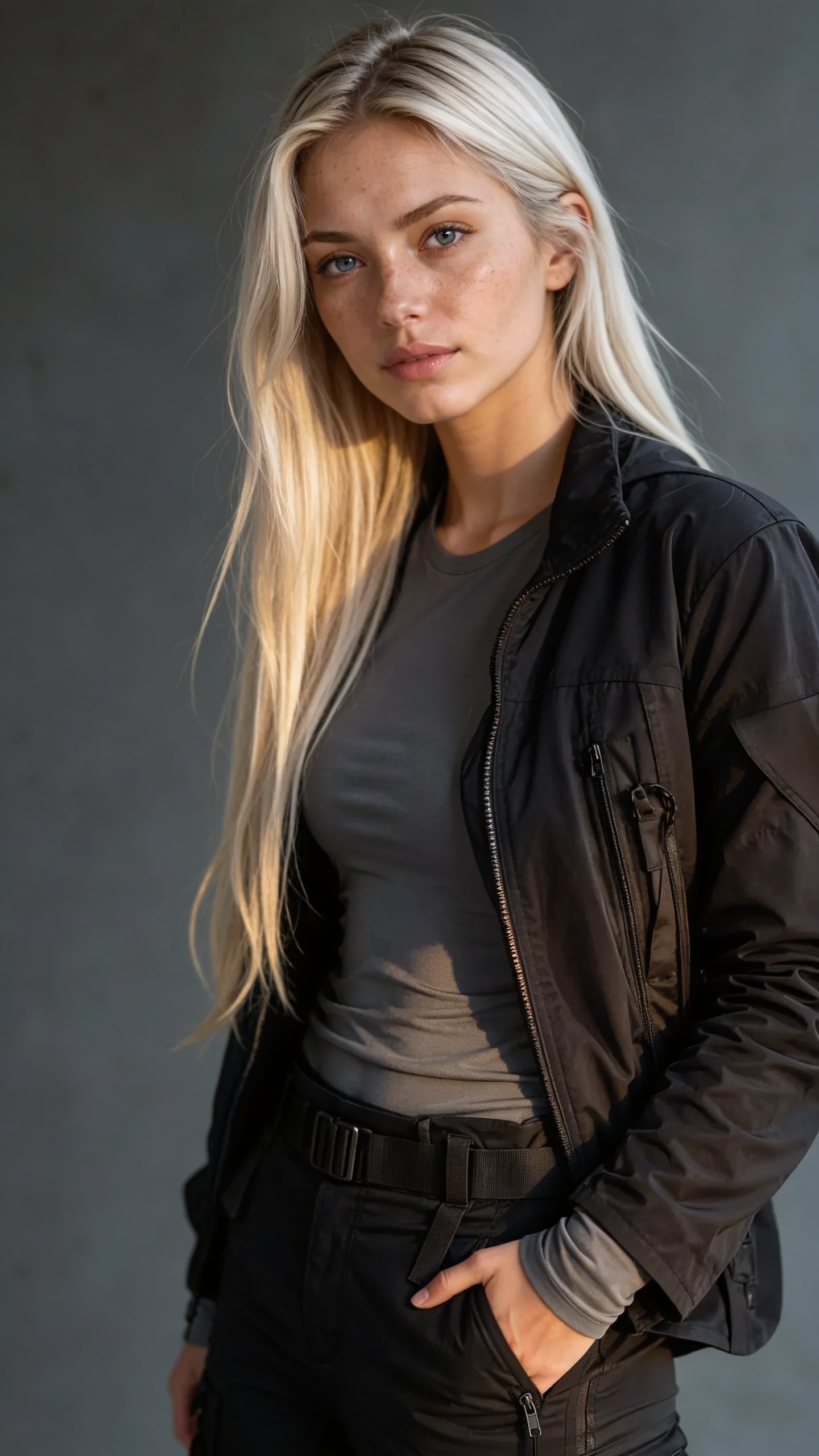
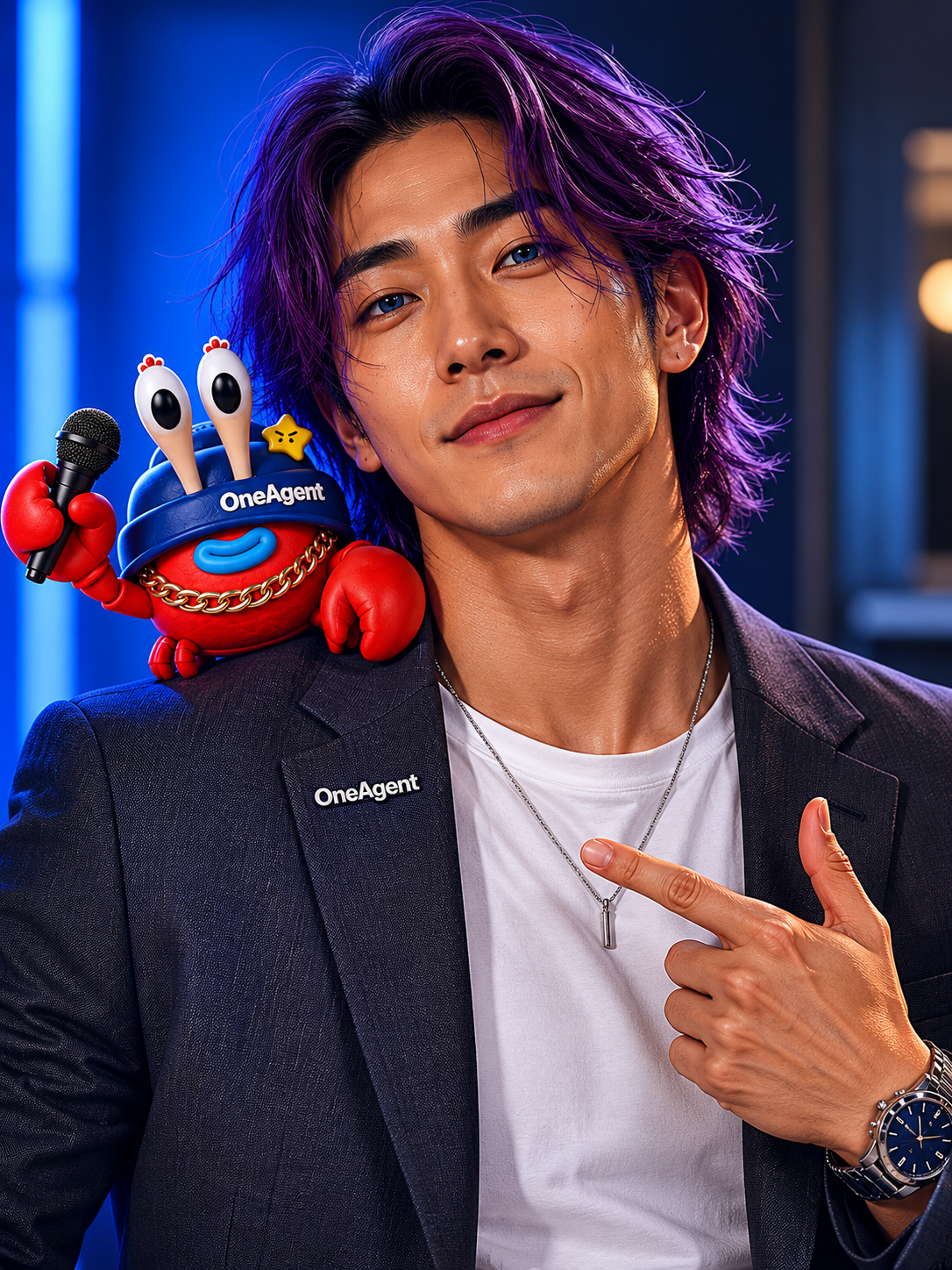
Real posts from OmniGems creators, generated with each model:
GPT Image 2
Nano Banana Pro
Bottom Line
GPT-Image-2 is the workhorse — fast, reliable, integrates cleanly into a content pipeline that ships volume. Nano Banana Pro is the specialist — heavier, but unmatched for hero shots, multi-character scenes, and text-dense branded graphics.
For a mature AI influencer pipeline, the right answer is "both, routed by content type." OmniGems AI's Studio lets creators select the model per generation so the agent always uses the right tool for the post.